Google Ads is our first comparison for ecommerce stores reaching shoppers who are searching for products. Meta suits visual product discovery, Amazon Ads fits eligible marketplace sellers, and Microsoft Advertising offers another shopping channel. Pinterest and Criteo provide additional discovery and acquisition options. Choose by contribution after advertising, not revenue alone.
A store can report more sales and still have less money left at the end of the month. Discounts, returns, shipping and advertising can absorb the apparent gain.
| Best For | Existing product demand | Visual discovery | Eligible Amazon sellers |
| Pricing | Shopping advertising | Facebook and Instagram sales advertising | Sponsored Products |
| Features | Feed accuracy and margin | Creative and customer quality | Marketplace contribution |

That is why choosing an ecommerce ad platform should begin with your products and margins. The platform comes next.
A familiar replacement part, a new fashion label and a considered home purchase involve different buying journeys. The same campaign structure is unlikely to suit all three.
This guide compares six ecommerce ad networks and advertising platforms for merchants buying customers. It does not cover placing third-party ads on your own shop. Recommendations reflect official product capabilities and practical use cases, not claimed first-hand returns.
6 Best ecommerce ad networks: Quick comparison
Get a quick comparison of the 6 best ecommerce ad networks, highlighting their key features, advertising options, and benefits.
Platform | Best fit | Relevant product | Main check |
|---|---|---|---|
Google Ads | Existing product demand | Shopping advertising | Feed accuracy and margin |
Meta Ads | Visual discovery | Facebook and Instagram sales advertising | Creative and customer quality |
Amazon Ads | Eligible Amazon sellers | Sponsored Products | Marketplace contribution |
Microsoft Advertising | Another product-search channel | Shopping campaigns | Market eligibility and tracking |
Pinterest Ads | Visual shopping and planning | Catalogues and shopping ads | Product imagery and buying delay |
Criteo | Acquisition and re-engagement | Commerce advertising | Incremental customer value |
These platforms have different roles. An Amazon product campaign and an advertisement sending shoppers to your own checkout should not be evaluated as identical arrangements.
How should you choose an ecommerce advertising platform?
Choose according to how shoppers discover your product, where they buy and how much contribution each order leaves.
If customers already search for a specific item, shopping or search advertising is a natural comparison. If the product needs a demonstration, visual creative may do more of the selling.
Also consider operational readiness. Paid traffic cannot repair inaccurate stock information, unexpected shipping costs or an unreliable checkout.
Before opening a campaign, identify the products you can fulfil profitably and the event that will count as a successful order. Include cancellations and returns in later reporting.
6 best ecommerce ad networks in detail
Take a closer look at six of the best ecommerce ad networks, including their features, ad formats, targeting tools, and campaign benefits.
1. Google Ads: Best for reaching existing product demand
Google's Shopping advertising uses product information to help shoppers discover what you sell. Its official guidance connects this activity with Merchant Center and paid advertising. Google Shopping ads

The useful starting point is the product feed. Names, images, prices and availability should match the destination page.
For a store selling several categories, avoid assuming that every sale has the same value. A high-revenue item with thin margins may support less advertising than a smaller order with better contribution.
Build the first campaign around products with dependable stock and clear commercial terms. That makes the results easier to interpret.
Pros
- A product-focused route for reaching shopping demand.
- Useful when customers can compare a clearly defined item.
Cons
- Poor feed quality can undermine the campaign.
- Revenue-focused reporting can favour low-margin orders.
Our verdict: Start with Google Ads when product demand exists and your catalogue is ready. Judge the result after fulfilment costs and returns.
2. Meta Ads: Best for products that benefit from demonstration
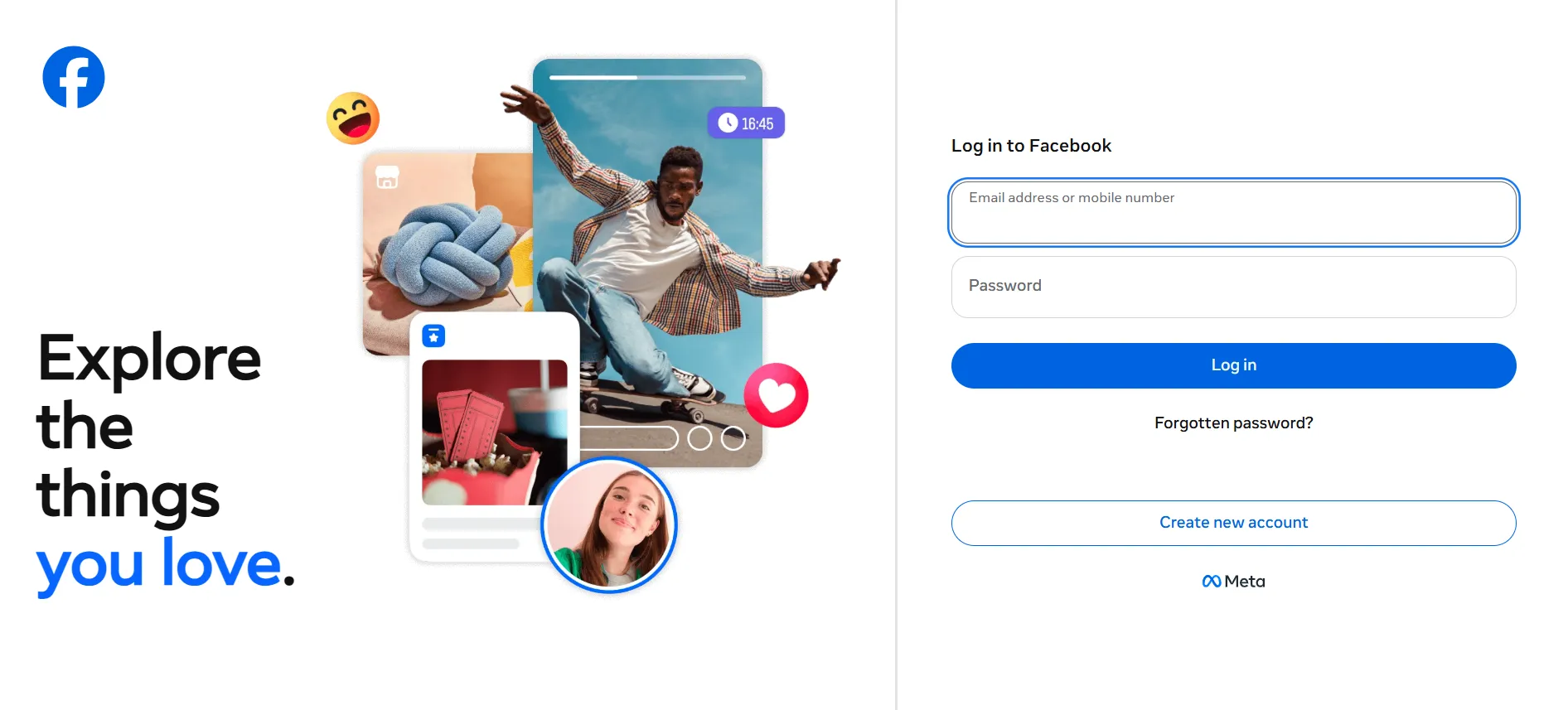
Meta offers ecommerce advertising across Facebook and Instagram, including automated sales and shopping tools. Its official material describes using these tools to reach customers and drive purchases. Meta ecommerce automation
The strategic advantage is the chance to show why someone would want the product before they actively search for it.
A short demonstration, a clear comparison or a useful explanation may communicate more than a product photograph alone. The creative should answer a real buying question.
Budget for that work. Repeatedly changing targeting cannot compensate for an unclear offer or a video that fails to explain the product.
Pros
- Suitable for visual product storytelling.
- A way to introduce products before a specific search.
Cons
- Creative production and testing take time.
- Engagement does not necessarily translate into profitable orders.
Our verdict: Compare Meta when the product has a visible benefit you can demonstrate honestly. Track the quality of resulting customers, not just reactions.
3. Amazon Ads: Best for eligible marketplace products
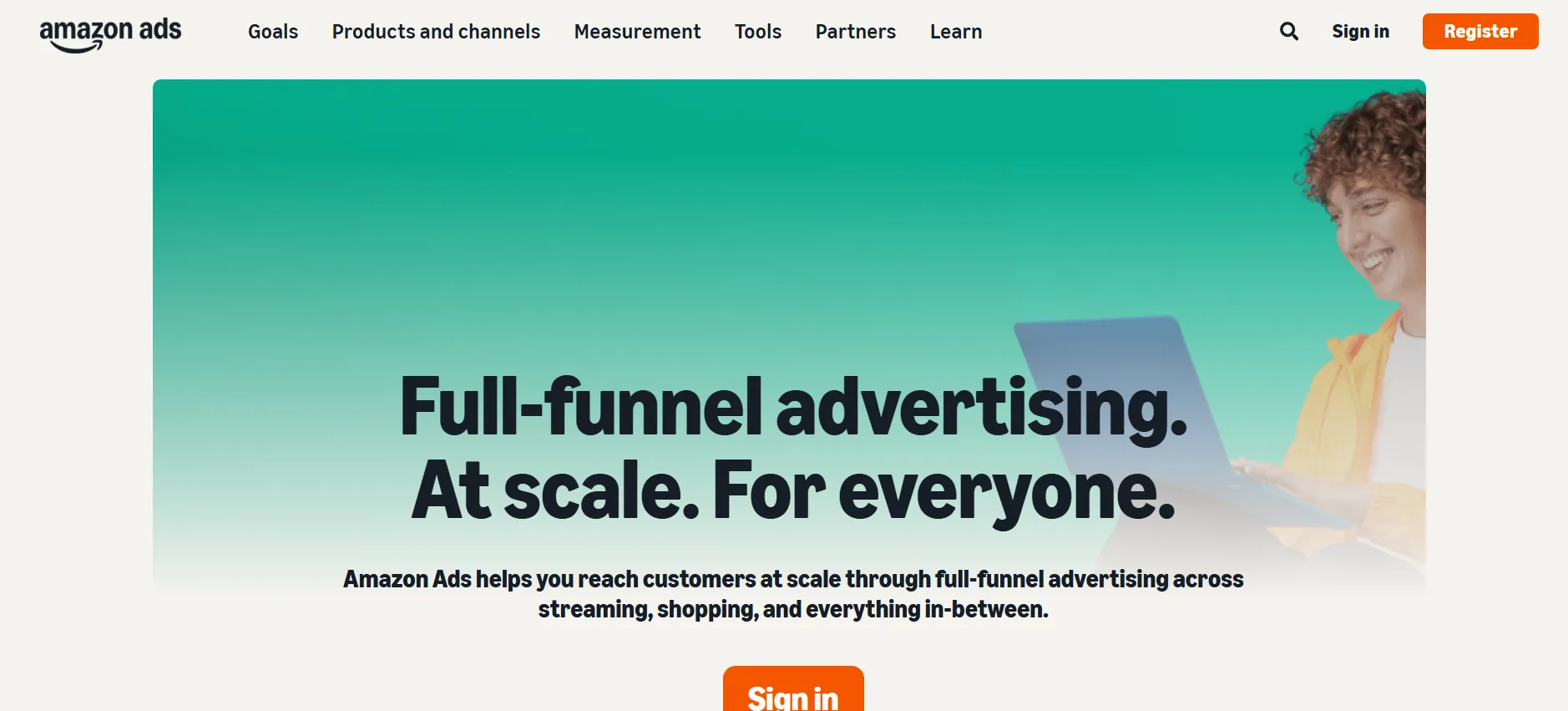
Amazon Sponsored Products promotes individual product listings using cost-per-click advertising. Eligibility and available placements depend on Amazon's programme requirements. Amazon Sponsored Products
This is a relevant choice when the sale happens within the Amazon marketplace.
Evaluate the listing before sending more traffic to it. Images, specifications, price and fulfilment expectations should support the promise made by the ad.
Keep marketplace economics separate from your own website. The fees, fulfilment arrangement and available customer relationship may differ. A campaign that works for one channel is not automatically the better business investment.
Pros
- Product-level promotion close to a shopping decision.
- A clear fit for eligible Amazon listings.
Cons
- Marketplace eligibility and economics apply.
- A weak product listing can limit the value of additional clicks.
Our verdict: Compare Sponsored Products when Amazon is an important sales channel. Calculate contribution using the costs of that channel.
4. Microsoft Advertising: Best for expanding product-search coverage

Microsoft Shopping campaigns require a Merchant Center store and product catalogue. Its official guidance also describes importing eligible Google Shopping campaigns. Microsoft Shopping campaigns
Importing can reduce setup work, but it should not replace review.
Check the imported settings, destination URLs and conversion measurement. Confirm that the campaign targets markets and products supported by the current programme.
Treat this as a fresh test of demand. The same catalogue can perform differently across platforms, and a previous account's results do not establish an expected return.
Pros
- Another documented shopping-advertising route.
- Import tools for eligible existing campaigns.
Cons
- Imported settings still need inspection.
- Performance cannot be assumed to match Google.
Our verdict: Shortlist Microsoft Advertising when your catalogue and measurement already work. Compare incremental orders rather than simply duplicating spend.
5. Pinterest Ads: Best for visually planned purchases
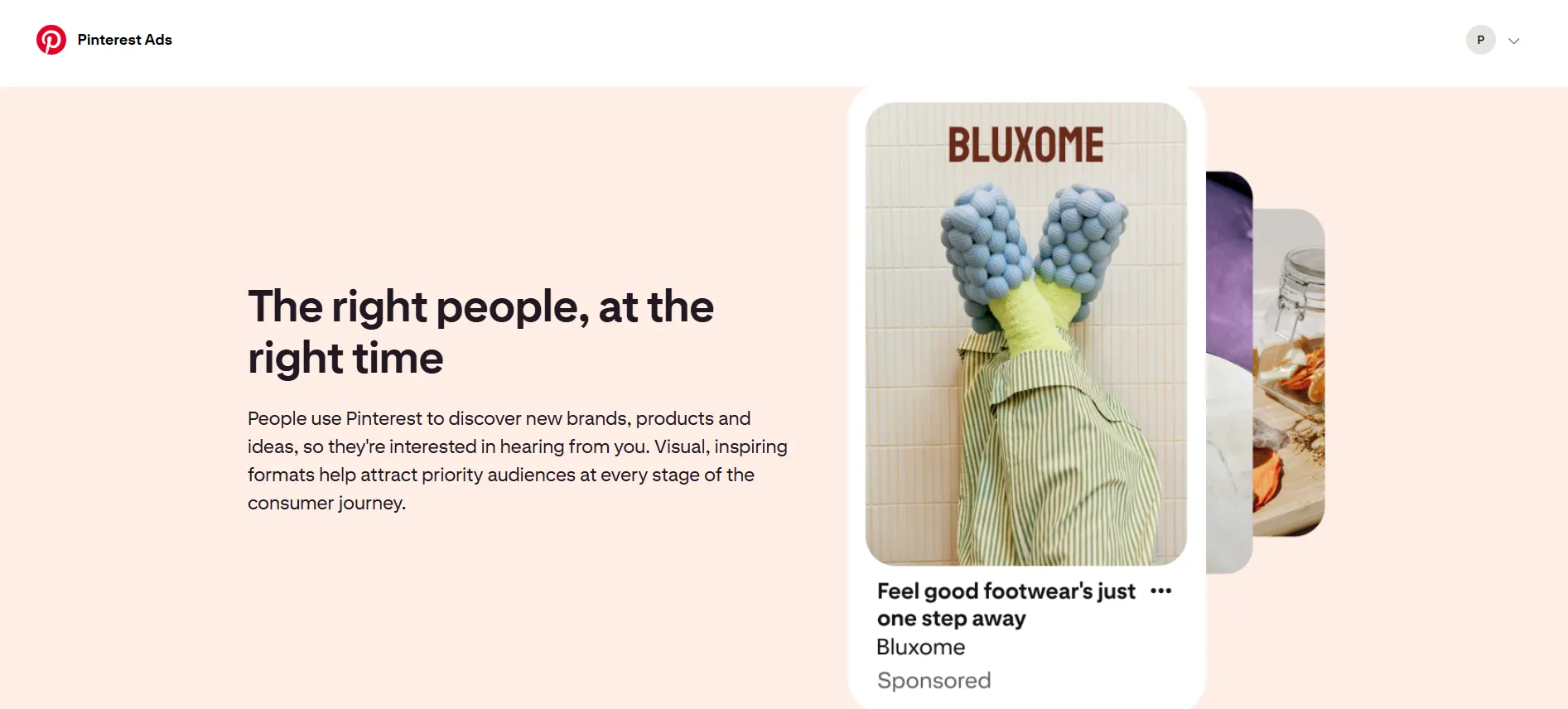
Pinterest's shopping tools include catalogue-based product discovery and shopping advertising. Its official business page explains the route from product information to shoppable content. Pinterest shopping
This makes it worth investigating when images help customers imagine how a product fits into a project or purchase.
A room layout, an outfit or a practical use case can make the offer easier to understand. Make sure the exact advertised product is easy to find after the click.
Do not assume that an early interaction will become an immediate order. Review the buying journey and use consistent attribution windows when comparing platforms.
Pros
- A visual environment for product discovery.
- Catalogue support for a structured product range.
Cons
- Strong imagery and relevant landing pages are necessary.
- The buying decision may take longer than the first visit.
Our verdict: Compare Pinterest for products that people explore visually. Measure completed orders without dismissing or overstating earlier discovery.
6. Criteo: Best for separating acquisition from re-engagement
Criteo documents acquisition and retargeting audiences within its commerce advertising tools. These address different stages of the shopping journey. Criteo audience options
That distinction matters for an established store. Bringing a previous visitor back is different from introducing the brand to someone new.
Ask how each campaign defines its audience and which outcome it is designed to improve. Do not combine all attributed purchases into one claim about new-customer growth.
Where practical, compare results with a suitable control or holdout approach. The goal is to understand which sales the advertising added, not simply which sales occurred after an ad exposure.
Pros
- Separate acquisition and retargeting use cases.
- A commerce-focused option for a developed store.
Cons
- Attribution requires careful interpretation.
- Re-engagement alone does not establish new-customer growth.
Our verdict: Compare Criteo when you can distinguish new demand from returning visitors and measure the value of both.
What ROAS does an ecommerce store need?
The required return on ad spend depends on how much revenue remains after variable costs. There is no universal profitable ROAS.
In a simplified hypothetical example, an order brings in $100. Product, fulfilment, payment and expected return costs total $60. That leaves $40 before advertising and fixed overhead.
Spending $40 to acquire the order produces 2.5 times ROAS and no contribution towards fixed overhead. Spending $25 produces 4 times ROAS and leaves $15.
These numbers are illustrations, not platform benchmarks.
Discounts and product mix can change the threshold. A campaign selling mostly discounted items may need a different target from one selling full-price products.
If repeat purchases are part of the plan, use observed customer behaviour. Do not rely on future orders that have not yet been demonstrated.
Should you start with acquisition or retargeting?
Start by identifying the business problem. Retargeting can reach previous visitors, while acquisition seeks additional customers. A store with very little relevant traffic may have a limited pool to re-engage.
At the same time, buying more new visits will not help if interested shoppers abandon the checkout because of a fixable problem.
Inspect the existing journey first. Look for unexpected fees, missing payment methods, unclear delivery times and poor mobile usability.
Then assign a distinct purpose to each campaign. Track first-time buyers separately from returning customers where your data allows it. This prevents an efficient repeat-purchase campaign from being mistaken for broad audience growth.
Which products should you advertise first?
Begin with items that combine a clear benefit, reliable availability and enough contribution to support acquisition costs.
The best-selling product is not automatically the best paid-advertising product. It may have little margin, frequent returns or unstable stock.
Create a short product shortlist using:
Contribution before advertising.
Stock and fulfilment reliability.
Clear photographs and specifications.
Return and cancellation patterns.
The strength of the product's buying proposition.
Test a manageable selection. If a campaign advertises hundreds of products immediately, it may be difficult to see whether poor results come from the platform, the catalogue or individual items.
Update the feed when price or availability changes. An advertisement should not promise something the checkout cannot deliver.
How can you compare platforms fairly?
Use the same business outcome and a consistent reporting period. Do not compare one platform's attributed revenue with another platform's net profit.
Allow for differences in conversion windows and returning customers. Two platforms may both claim involvement in the same order.
Your order system should be the reference for actual sales, refunds and fulfilment. Platform reports help explain delivery and attribution, but they do not replace the business records.
A practical review includes:
Advertising spend.
Completed, non-cancelled orders.
Net sales after returns.
New versus returning customers.
Contribution after variable costs.
Creative and management workload.
The winner is the channel that adds sustainable business value, not necessarily the one with the most impressive dashboard ratio.
What should you fix before increasing spend?
Fix the customer experience and measurement gaps that could distort the next test.
Run through the mobile checkout yourself using an approved test method. Confirm that the product price, shipping estimate and payment options are visible.
Check that a single order is not recorded multiple times. Review how refunds are reflected in your reporting.
Finally, make sure the business can fulfil additional demand. More orders can become a problem if delivery slows, support queues grow or stock runs out.
Scaling should follow repeatable contribution and operational capacity. It should not be a response to one unusually good afternoon.
Frequently asked questions: Best Ecommerce Ad Networks
Google Ads is a useful first comparison when shoppers already search for the products. Meta may suit products that need visual explanation. The store should have reliable fulfilment, a working checkout and clear margins before paying for traffic.
No. Advertising platforms sell distribution or ad access. Affiliate programmes pay partners under a referral agreement. A merchant may use both, but the costs and responsibilities differ.
No. Sponsored Products is designed around eligible Amazon product listings. A store selling only through its own checkout should not assume that this product serves the same purpose.
None in this comparison. Product demand, pricing, creative, margins and measurement affect the result. Reported ROAS also depends on attribution settings.
Importing an eligible campaign can save setup time, but review the settings, catalogue and tracking. Treat the new platform as a separate test rather than assuming identical results.
No. Some attributed purchases may have happened without the ad, and the campaign still has costs. Evaluate incremental value, frequency and contribution rather than assuming returning visitors are automatically profitable.
Quick Links
- 10 Best iGaming Ad Networks in 2026 (Casinos, Betting, Real Money Gaming)
- 11 Best Gambling Ad Networks in 2026 (Advertisers + Publishers, Full Picture)
- 5 Best Ad Networks for Lead Generation 2026: Beyond Cheap Leads
- 5 Best utilities ad networks
Which ecommerce ad platform should you choose?
Choose the platform that matches the buying journey. Compare Google and Microsoft for product-search demand, Meta and Pinterest for visual discovery, Amazon for eligible marketplace listings and Criteo for commerce acquisition and re-engagement.
The best ecommerce ad networks work alongside a strong catalogue and checkout. Start with a focused product group, measure contribution and expand when the numbers and fulfilment both support it.