
AdGem is our first shortlist choice for publishers comparing ready-made and custom offerwalls. Tapjoy suits app reward economies, while RevU offers an SDK-free route. ayeT-Studios, BitLabs, Adscend Media and Torox provide further options. Choose by eligible offers, reward tracking, user support and confirmed earnings.
| Best For | Choosing between ready-made and custom walls | Apps with a virtual-currency economy | Avoiding another native SDK |
| Documented Route | Web, mobile SDKs and APIs | App SDKs and a web SDK | Hosted page, iframe and API |
| Main Check | User identity and postbacks | Currency management | Support and agreed payment terms |


An offerwall can look like a simple list of tasks. Behind that list is a more demanding job: show the right offer, track the required action and give the correct person the promised reward.
That is where the choice of network matters. A large advertised payout is little help if your users cannot qualify for the offer or your team cannot resolve missing rewards.
The best offerwall ad networks make sense for your audience and your product. A mobile game needs a different setup from a rewards website. A publisher with developers can consider an API, while a smaller team may prefer a hosted wall.
This guide compares seven providers using their official product information. The order reflects the use cases below, not measured payout rankings or first-hand earnings tests.
Best offerwall ad networks: Quick comparison
Compare the best offerwall ad networks based on available offers, integration options, platform compatibility, payout thresholds, and earning potential to find the right solution for monetizing your app, game, or website while rewarding users for completing tasks and surveys.
Provider | Best fit | Documented route | Main check |
|---|---|---|---|
AdGem | Choosing between ready-made and custom walls | Web, mobile SDKs and APIs | User identity and postbacks |
Tapjoy from Unity | Apps with a virtual-currency economy | App SDKs and a web SDK | Currency management |
RevU | Avoiding another native SDK | Hosted page, iframe and API | Support and agreed payment terms |
ayeT-Studios | Custom offer and survey selection | Offerwall and Surveywall APIs | Eligibility and reversals |
BitLabs | Reward and loyalty audiences | Customisable offers and surveys | Net-30 cash flow and threshold |
Adscend Media | A varied task menu | Webview and API | Offer conditions and user support |
Torox | Comparing several integration routes | Offerwall, SDK and API | Current account and campaign terms |
These are publisher monetisation options. They are not a list of traffic sources for buying visits.
What is an offerwall ad network?
An offerwall ad network supplies a menu of advertiser tasks that users can complete for rewards. Depending on the campaign, a task might involve trying an app, reaching a game milestone, completing a survey or making an eligible purchase.
The publisher provides access to the wall and manages the surrounding reward experience. Revenue depends on qualifying actions under the campaign terms.
An offerwall is different from a single rewarded video. It gives users a choice of activities, often with different conditions and completion times. It is also different from a content locker, which places an action before access to a particular file or page.
This distinction helps narrow the shortlist. If you only want a short ad between game sessions, you may not need a full task marketplace.
7 Best Offerwall Ad Networks in detail
Explore the 7 best offerwall ad networks, comparing their key features, available offers, integration options, payout methods, and earning potential to help you choose the right platform for monetizing your app, game, or website while rewarding users for completing tasks, surveys, and other actions.
1. AdGem: Best for comparing integration options
AdGem documents native iOS and Android SDKs, a Unity plugin, a web offerwall, a REST API and its Prism GraphQL API. That gives publishers several ways to deliver offers rather than forcing every project into the same interface.

Its core concepts also explain the user identifier that connects an offerwall visit with the later reward notification.
The practical choice is how much you want to build. A ready-made wall reduces interface work. An API gives your team more responsibility for presentation, updates and testing.
Before choosing the custom route, decide who will maintain it. A good-looking launch is only the beginning; offer details and eligibility need to remain accurate.
Pros
- Several documented integration paths.
- Useful guidance on connecting users with reward events.
Cons
- Custom integrations add development and maintenance work.
- Available campaigns still depend on the user and account.
Our verdict: Start with AdGem if you want to compare a packaged wall with a more customised experience. Pick the simplest route that meets the product need.
2. Tapjoy from Unity: Best for an established app reward economy
Tapjoy's setup guide covers virtual currencies, placements and offerwall content cards. Publishers can use Tapjoy-managed currency or manage balances themselves through server callbacks. Unity also documents a web SDK, which requires a self-managed currency postback.
That makes currency design an early decision. What can users buy with their reward? How long should a typical task take compared with earning the same item through normal play?
For a game, the answer affects more than advertising revenue. Rewards can change progression and the appeal of existing purchases. Test those effects before offering a large currency multiplier.
Pros
- Documented currency-management choices.
- App integration guidance plus a separate web route.
Cons
- Currency decisions affect the wider product economy.
- Technical setup and reward handling remain necessary.
Our verdict: Shortlist Tapjoy when virtual currency already has a clear purpose in your app. Plan the reward balance before promoting the wall.
3. RevU: Best for an SDK-free offerwall
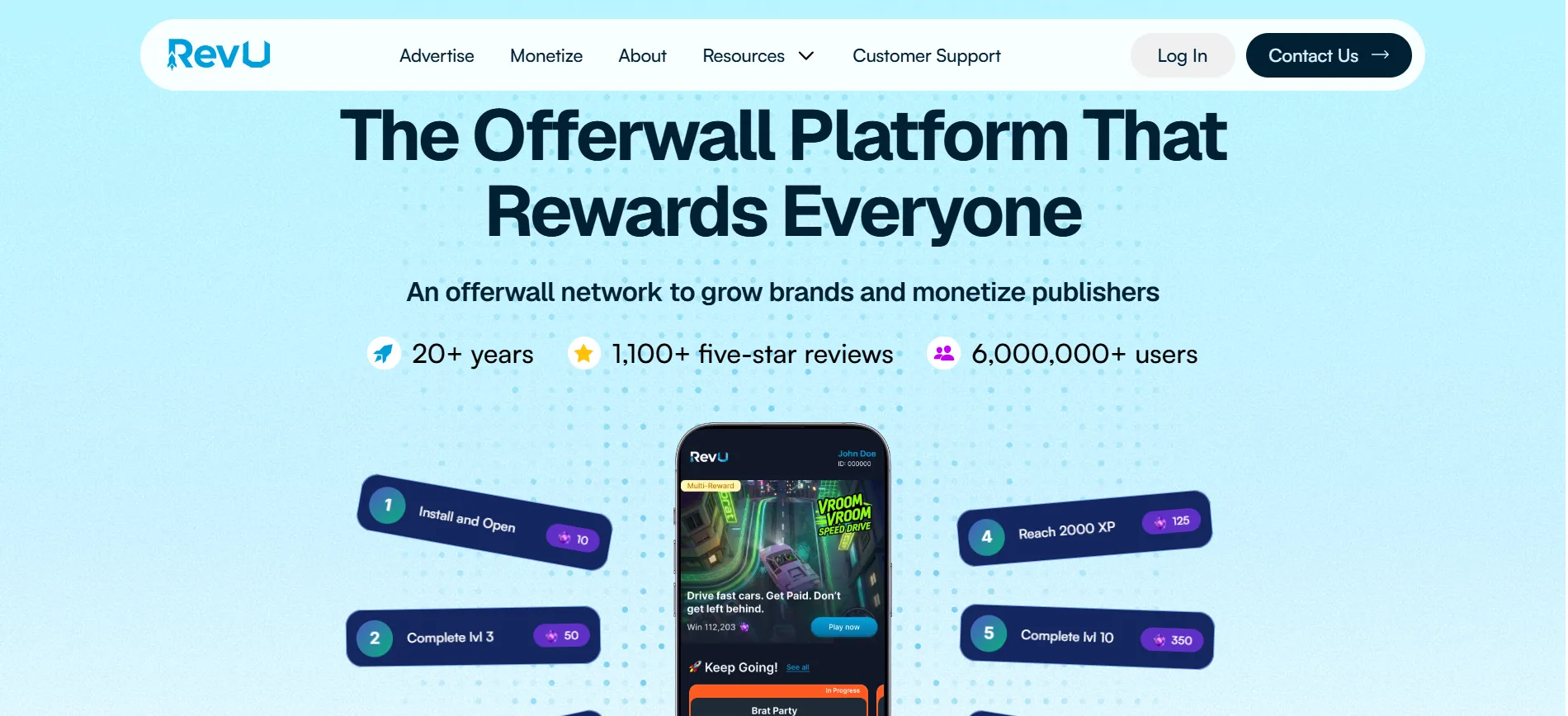
RevU offers hosted, iframe and API integrations without a native SDK. Its publisher page says its team handles offer-related user support and that payment terms are agreed during onboarding. A server-side reward postback still needs to be configured.
This is useful when adding another native dependency would be inconvenient. It does not mean the integration can be left untested.
Check the full journey from opening the wall to receiving a reward. A web-based experience should still feel usable inside your app, especially when people return after completing an external task.
Ask how your team can follow a disputed completion. Users will usually contact the product they know, even when another company investigates the offer.
Pros
- Several routes without a native SDK.
- A stated offer-support service.
Cons
- SDK-free does not remove backend integration work.
- Payment timing must be agreed rather than assumed.
Our verdict: Compare RevU when integration overhead is a priority. Confirm the support handoff and commercial terms alongside the technical setup.
4. ayeT-Studios: Best for publishers building a custom wall
ayeT-Studios documents separate Offerwall and Surveywall APIs, user-based filtering and conversion callbacks. Its API reference also explains chargeback notifications, which report reversals rather than leaving publishers to treat every initial credit as final.
This is a useful option for teams that want control over the task menu.
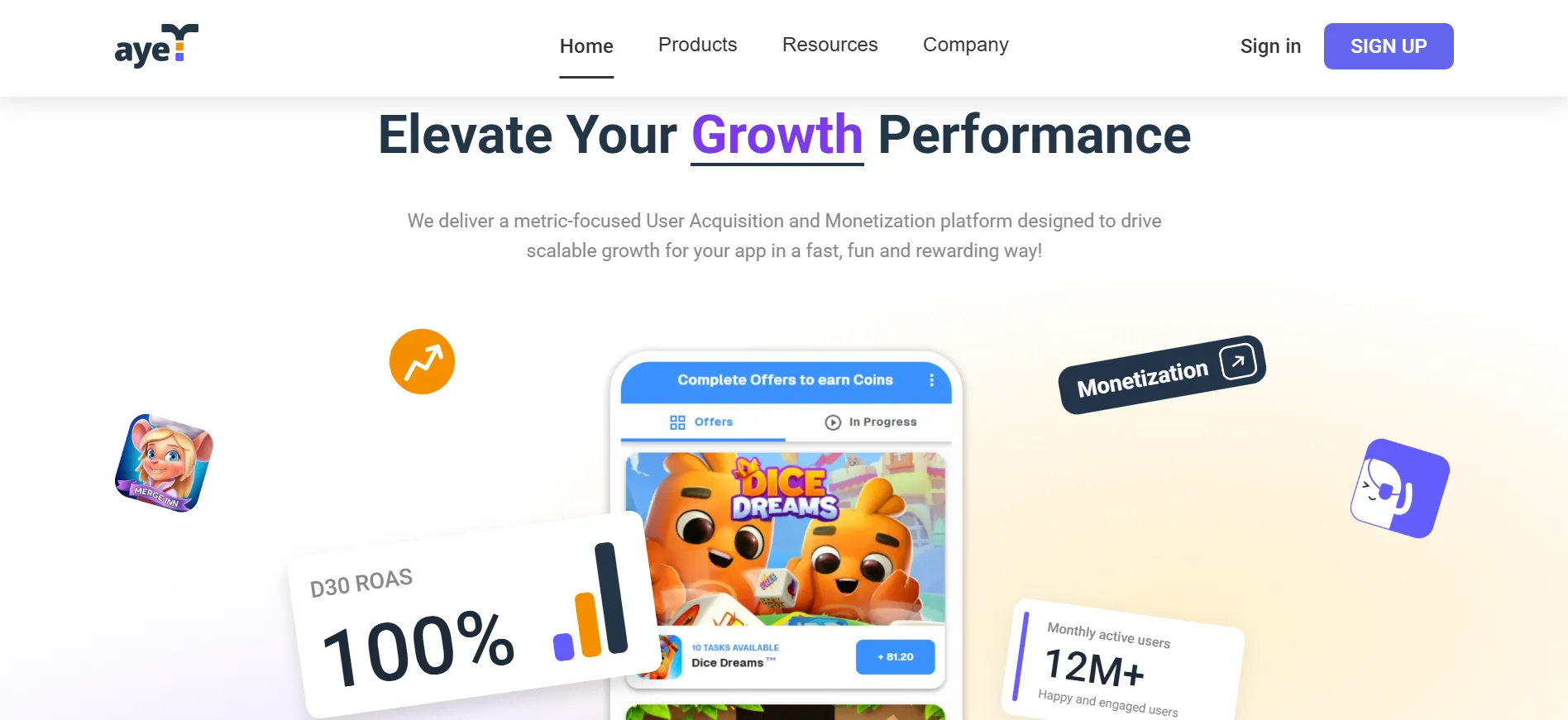
Customisation should improve decisions for users. Show the required action, reward and relevant conditions together. Avoid a layout that highlights the reward while burying the work needed to earn it.
The reversal flow deserves particular attention. Your records should distinguish a pending reward, an accepted completion and a later adjustment.
Pros
- Detailed offer and survey API documentation.
- Explicit conversion and reversal handling.
Cons
- A custom interface requires ongoing engineering.
- Incorrect reward accounting can create avoidable disputes.
Our verdict: Shortlist ayeT-Studios if your team needs API control and can maintain reliable reward records.
5. BitLabs: Best for reward and loyalty programmes
BitLabs presents offers and surveys with customisable currency, colours and symbols. Its payment documentation states Net-30 terms and a $100 minimum payment threshold after reconciliation deductions. Required agreements and payment details must be complete.
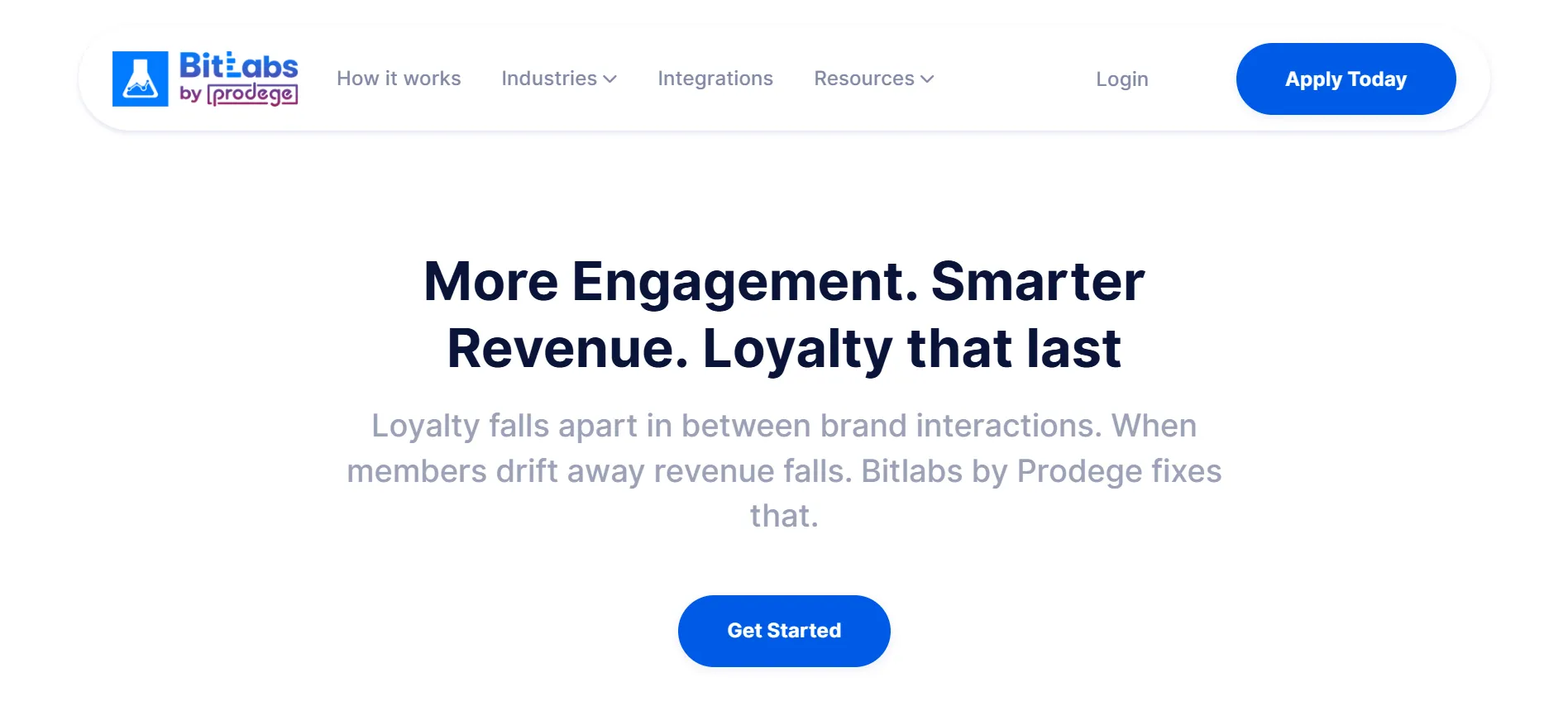
The published threshold makes cash-flow planning more concrete. Estimated earnings are not the same as an available payment, particularly when adjustments reduce a balance.
For a loyalty product, inspect the experience between activities. Users should be able to return to their balance, understand what is pending and find help without starting again.
Pros
- Offers and surveys within a reward-oriented product.
- Public payment timing and threshold guidance.
Cons
- Smaller balances can roll into a later payment cycle.
- Survey availability and qualification vary.
Our verdict: Compare BitLabs for an audience that already understands points and rewards. Check both the task experience and the timing of publisher payments.
6. Adscend Media: Best for a varied reward menu
Adscend Media lists games, surveys, videos, sign-ups, trials and other offer categories on its publisher page. It describes webview and API options and dedicated user support.
A varied catalogue can help when your users have different interests. However, more categories also mean more conditions to explain.
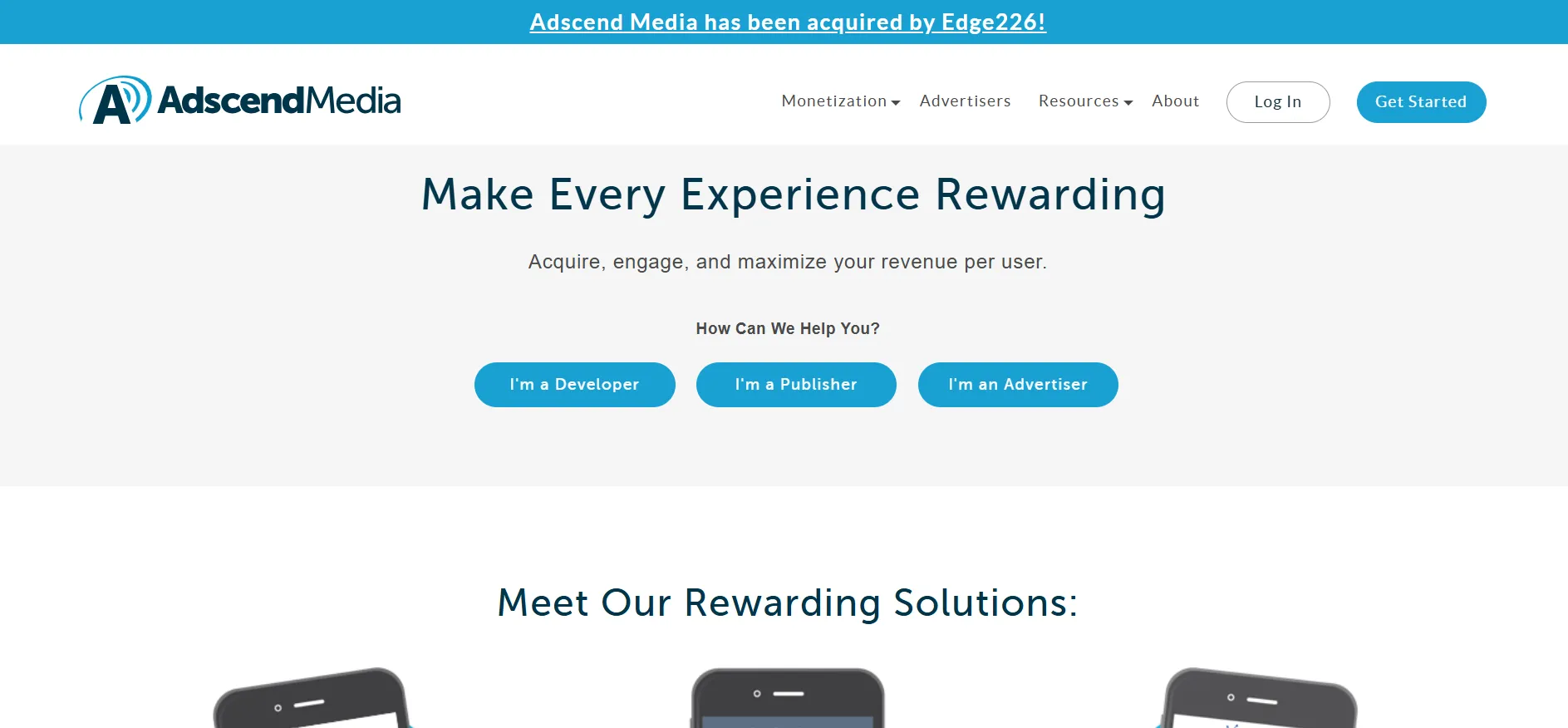
A free survey and a trial requiring payment information should not look interchangeable. Make any purchase, subscription or eligibility condition visible before the user commits.
Start with categories that match the audience. There is little value in adding every available task simply to make the wall look busy.
Pros
- Several documented activity categories.
- Webview and custom integration options.
Cons
- Different task types create different support questions.
- Campaign conditions need careful presentation.
Our verdict: Compare Adscend when choice matters, but curate the menu around what your users can understand and complete.
7. Torox: Best for comparing web, SDK and API routes
Torox lists Offerwall, SDK and API products on its official website. This makes it a relevant candidate when you are assessing how a reward experience should fit into an existing site or app.
Treat that product range as a starting point for a discussion. Confirm which route suits your account, how eligible tasks are selected and how completion records reach your system.
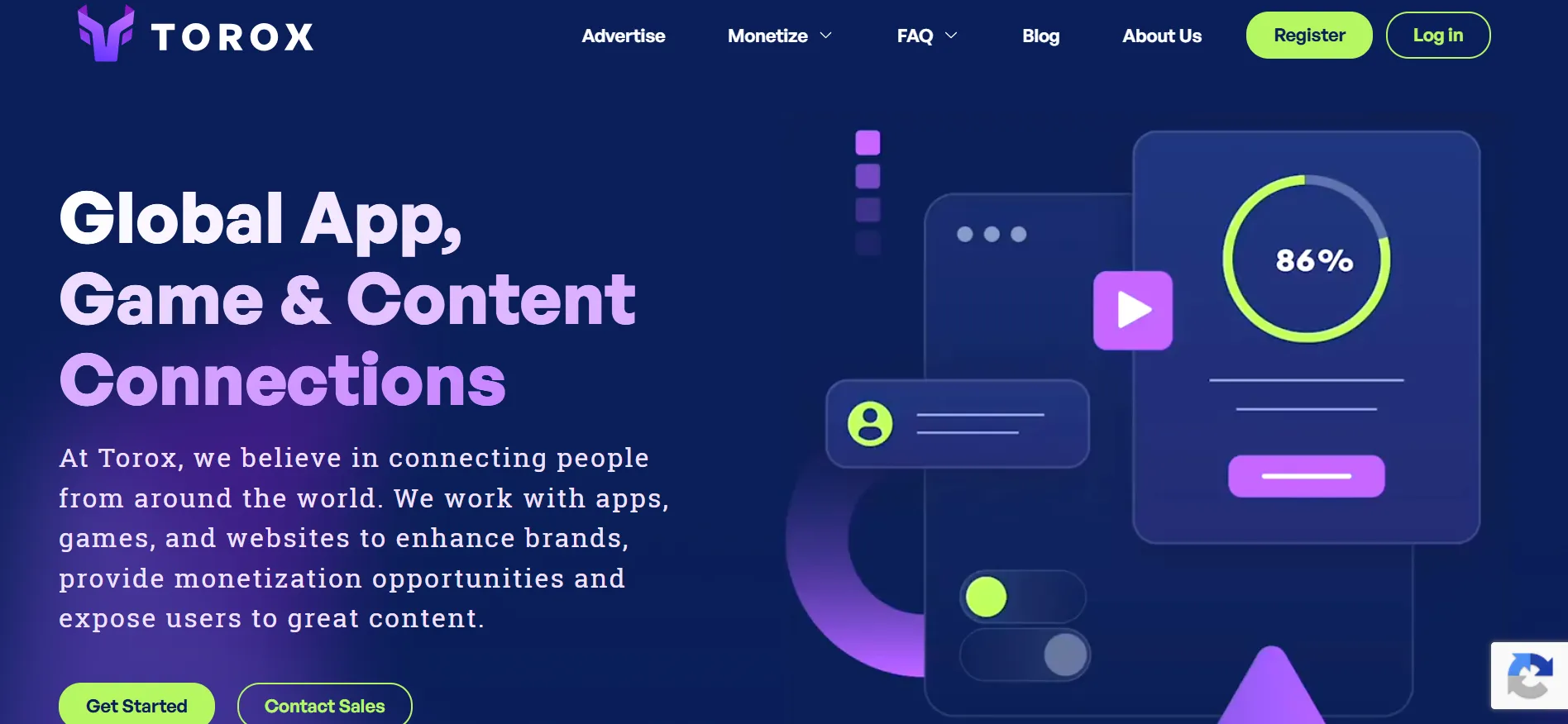
Bring a concrete user journey to the conversation. Explain where the wall opens, what users receive and who manages their balances. Specific requirements produce more useful answers than asking for the highest possible payout.
Pros
- Multiple published integration categories.
- A relevant comparison for an existing reward platform.
Cons
- Current commercial terms need direct confirmation.
- Product availability alone does not prove audience fit.
Our verdict: Include Torox when comparing integration choices. Request a demonstration using the devices and countries that matter to your audience.
How should you compare offerwall earnings?
Compare confirmed revenue from comparable users, then account for reward costs and support work. An impressive rate means little if each provider uses a different definition of an impression.
Here is a hypothetical example. Two walls each reach 1,000 active users during the same test period. Wall A generates $180 after reversals and costs $110 in rewards. Wall B generates $160 and costs $80 in rewards.
Before support and other expenses, A leaves $70 while B leaves $80. The lower-revenue wall produces the better contribution in this example.
Those figures are illustrations, not network benchmarks.
For each test, record:
Users who actually open the wall.
Users who begin and complete eligible tasks.
Revenue after reversals.
Reward and payment-processing costs.
Missing-reward complaints and time spent resolving them.
Also separate countries and devices where the sample is large enough. One strong segment can hide weak results elsewhere.
What should you check before adding an offerwall?
Start with identity, reward delivery and support. If those three parts are unclear, a polished interface will not solve the problem.
Give each user a stable identifier. Confirm how the provider sends completion notifications and how your system prevents the same event from crediting twice.
Then test the less convenient cases: a delayed callback, a user closing the app, an interrupted connection and a reversed conversion. Use the provider's approved test process rather than creating artificial live conversions.
Before launch, agree:
Who investigates missing rewards.
What evidence a user must provide.
How pending and rejected tasks are displayed.
Which offers and reward types are permitted.
When publisher earnings become payable.
Keep a record of the offer terms shown when a task begins where the integration permits it. That can make later support conversations much clearer.
Should you use more than one offerwall?
You can compare multiple walls if the agreements and implementation allow it. Add them gradually so you can see whether each creates useful additional activity.
More walls do not automatically mean more unique offers. Similar campaigns may appear through different routes, and users may not be eligible to repeat them.
Keep each provider's progress and support path clear. Someone who starts a task through one wall should not have to guess where to ask about it later.
Measure the combined result. A second wall that moves activity away from the first without improving net earnings or user experience may add little value.
Who should avoid an offerwall?
An offerwall is a poor fit when there is no meaningful reward or no capacity to manage user balances and complaints.
For a simple information website, a long list of game tasks may distract from the reason people visited. Conventional display advertising, subscriptions or another model could be more suitable.
Likewise, a small team should be cautious about promising immediate user withdrawals while publisher earnings remain pending. Work out how that gap will be funded before launch.
Choose the format because it fits the product, not because a competitor quotes a large eCPM.
FAQs: Best Offerwall Ad Networks
AdGem is a useful first comparison because it documents several integration routes. Beginners should favour a manageable setup and clear reward support rather than choosing only by advertised payouts. Approval and suitable offers still need confirmation.
There is no verified universal winner. Audience, eligible campaigns, completion rates, reversals and reward costs affect the result. Compare settled earnings from similar users over the same period.
Yes, several providers document web routes. AdGem offers a web integration, RevU lists hosted and iframe options, and Unity documents a Tapjoy web SDK. Each still requires appropriate user identification and reward handling.
No. An offerwall presents a menu of tasks. Rewarded video generally offers a reward for a defined ad experience. An offerwall may contain video-related activities, but the two formats are not interchangeable.
Usually, yes. You still need to connect users with rewards, configure the required notifications and test the journey. Avoiding a native SDK removes one integration component, not the entire implementation.
BitLabs publishes Net-30 payment terms and a $100 minimum threshold after reconciliation deductions. Payment setup and required agreements must be complete. Check its official billing documentation for the terms applying to your account.
Quick Links:
Which offerwall should you choose?: Best Offerwall Ad Networks
Compare AdGem for integration choice, Tapjoy for an app currency economy and RevU for an SDK-free route. ayeT-Studios suits custom API work, while BitLabs, Adscend Media and Torox offer further models to assess.
Choose the provider whose offers, reward records and support process work for your actual users. Launch a limited test and inspect settled results before expanding.