
Microsoft AI chief executive Mustafa Suleyman is not mincing words. In a recent interview with the Financial Times, he predicted that AI will reach human-level performance across most professional tasks within 18 months. Lawyers, accountants, marketers, and project managers are among those he named as most at risk of displacement — essentially any role that involves sitting down at a computer. This is not a vague, long-term forecast. Suleyman runs Microsoft's AI division and is building the products he is talking about. He is speaking from the inside, not from a stage. MSN
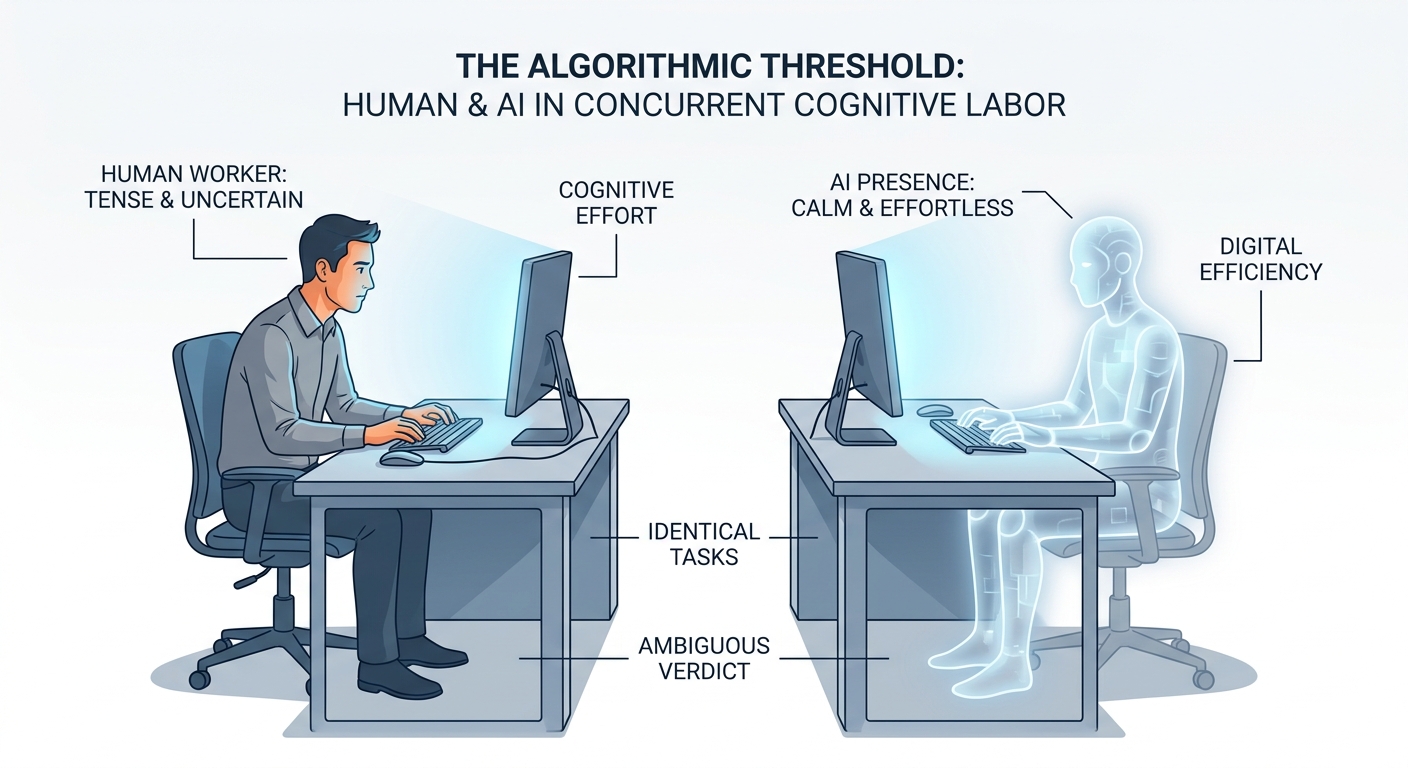
Suleyman attributed this accelerated timeline to exponential advancements in computational power, which he says will soon allow AI to write and review code better than human engineers, triggering a domino effect across the broader knowledge economy. He also offered a more optimistic vision — that creating a customized AI model will become as easy as writing a blog post, making the technology accessible to every business and individual, not just large corporations. The Federal
The Data That Complicates This Prediction
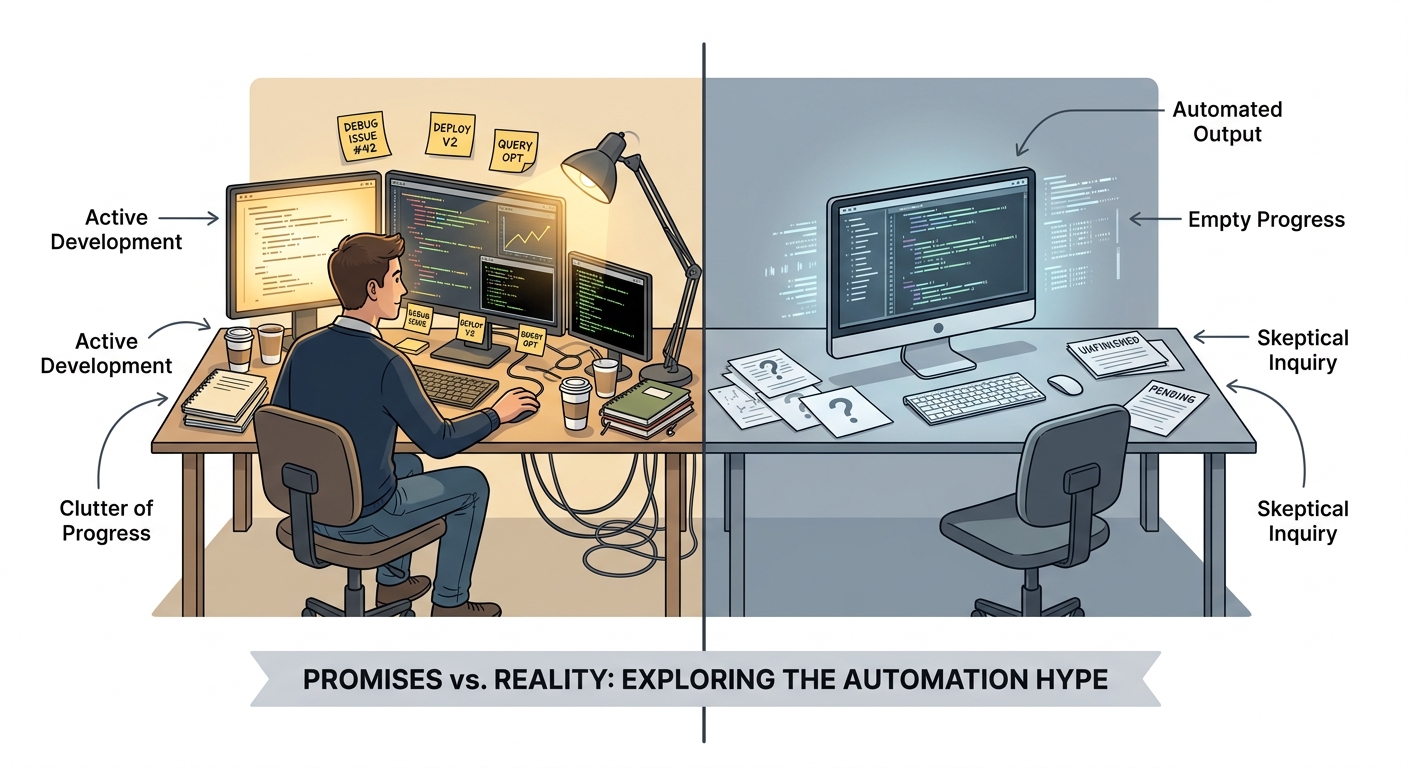
Not everyone is buying the 18-month timeline. A study by the nonprofit Model Evaluation and Threat Research found that AI tools made certain software development tasks take 20% longer, not shorter. That is awkward for an industry narrative that says AI already outperforms human coders. Research from Apollo Global Management's chief economist found that profit gains attributed to AI are concentrated almost entirely in Big Tech, while the broader Bloomberg 500 barely moved. So either the AI revolution is limited to a handful of San Francisco companies right now, or it simply has not started at scale yet. International Business Times International Business Times
The honest reality is somewhere in the middle. AI is clearly reshaping specific tasks and specific industries. But a full 18-month overhaul of all white-collar work is a bold claim — and the current data does not fully support it yet.
Quick Links: