
The rules of affiliate marketing have changed more in the last 12 months than in the previous five years combined. If you're still running the same playbook from 2023 — stuff articles with links, chase volume, target high-traffic keywords — you're already behind. The shift happening right now isn't just a trend. It's a structural change in how affiliate income gets made, and the publishers who understand it are pulling away from the ones who don't.
Deep Engagement Has Replaced Link Volume
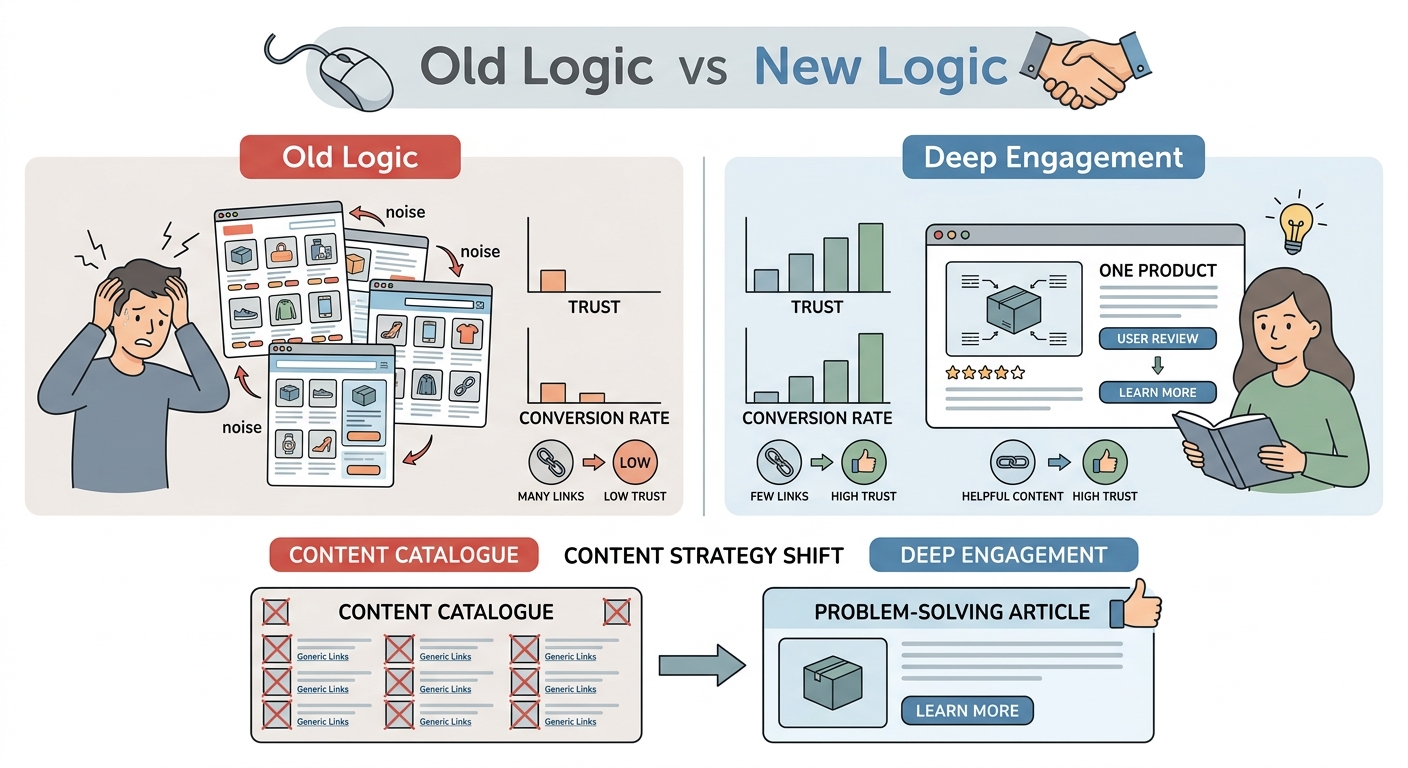
The websites driving the highest affiliate conversions in [Year] actually have the fewest links per page. Marketers have moved to a model called “Deep Engagement” — building high-trust environments where the reader genuinely learns something instead of feeling like they're being sold to. Think about what that means for your content strategy.
The old logic was more links equals more chances to convert. The new logic is fewer, better-placed links inside genuinely helpful content equals higher trust, which equals a higher conversion rate. If your articles read like a product catalogue, it's time to rebuild them around real reader problems. Pick one product per article and go deep on it instead of listing twelve with affiliate links attached to all of them.
Transparency Is Now the Baseline, Not a Bonus
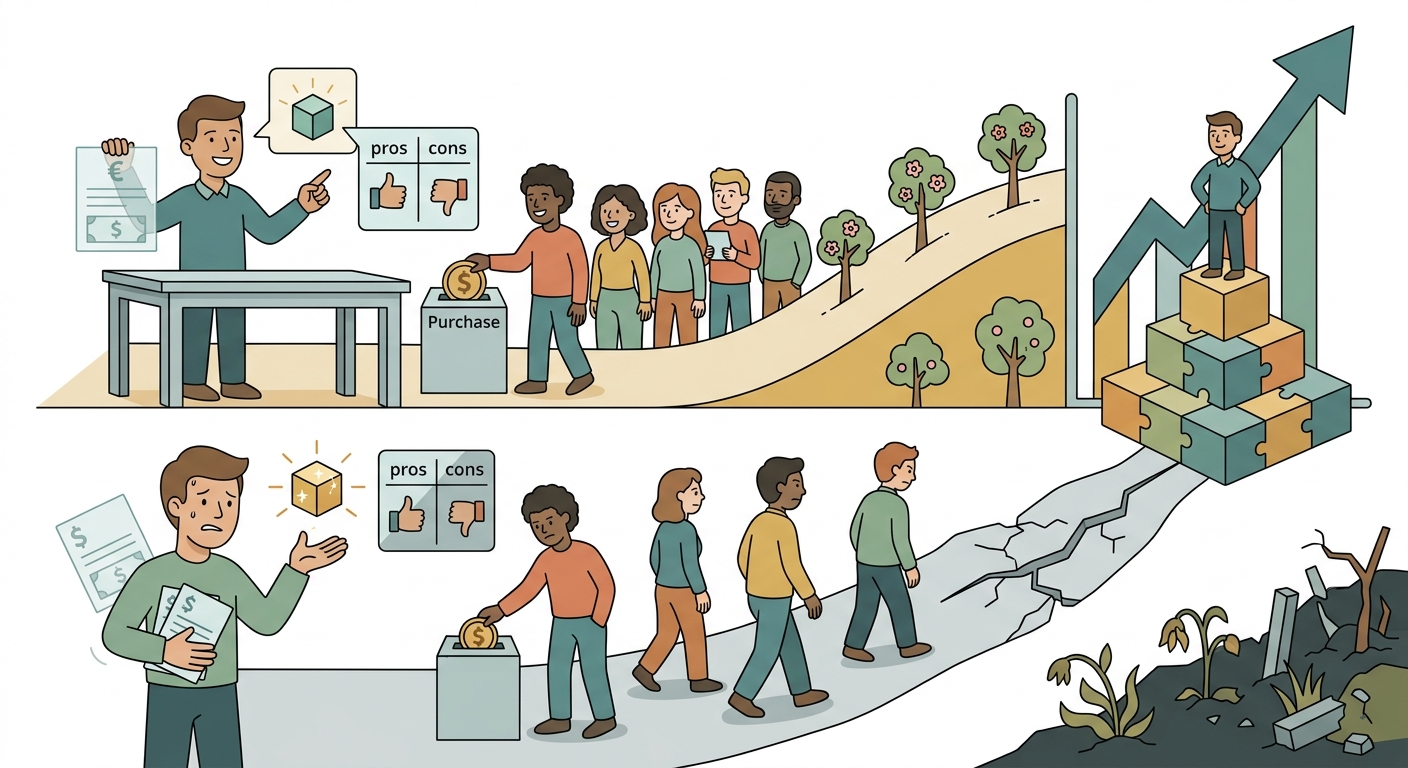
Readers who see honest disclosure — including what you earn and why you're recommending something — are more likely to convert than readers who feel they're being sold to. Hiding your affiliate relationship doesn't protect your conversion rate. It destroys it over time because trust, once broken, doesn't come back.
The affiliate publishers growing fastest right now are the ones treating their audience like intelligent adults. They explain the product properly, tell you what's bad about it, tell you who it isn't for, and make one clear recommendation. That's the whole model. Simple, honest, and it compounds.
The affiliate publishers winning in [Year] are not the ones with the most traffic. They are the ones with the most trust. Those are different things, and only one of them grows on its own over time.
Quick Links: