
The race to build useful humanoid robots reached a new milestone in January 2026. Figure AI announced that its humanoid robot NEO has started unsupervised learning.
This means the robot can now learn new tasks by simply watching humans, without step-by-step programming or constant supervision.
This breakthrough moves humanoid robots closer to real-world use. For the first time, a general-purpose home robot shows the ability to learn, adapt, and improve on its own after limited exposure.
Humanoid NEO AI : How Humanoid NEO Learns and Improves
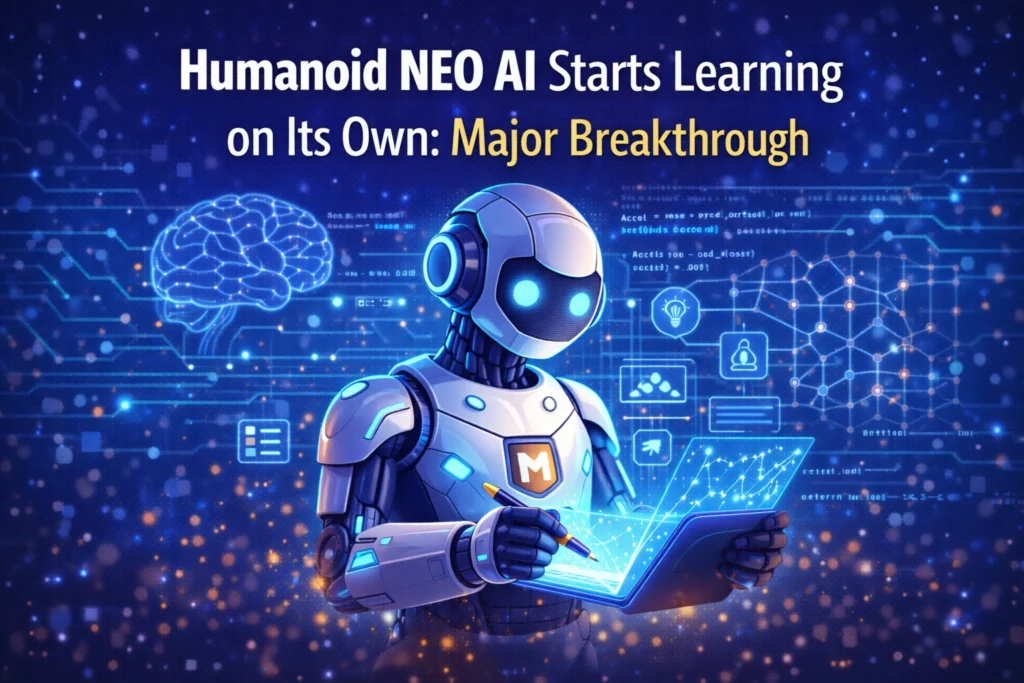
Figure AI revealed that NEO uses advanced vision, imitation learning, and decision-making models. The robot observes human actions and builds its own understanding of tasks.
It does not rely on fixed scripts or repeated human guidance.
Key progress shown by Humanoid NEO AI:
- Folds laundry after watching only 12 demonstrations
- Pours liquids carefully without spilling
- Adjusts grip strength automatically
- Recognizes and handles new objects without prior training
- Performs zero-shot adaptation to unfamiliar items
NEO can also correct itself. If it makes a mistake, it learns from the outcome and improves the next attempt. This ability reduces training time and makes deployment easier in real homes.
The robot’s hands and sensors play a big role. High-precision motors allow smooth movement. Vision systems track object shape and position. AI models connect sight, touch, and motion in real time.
Also read about: DeepMind AI Model Gemini 3 Flash Launched
Why This Matters for the Future of Home Robots
Until now, most robots needed heavy programming. Even simple household tasks required thousands of examples. NEO changes this model. Learning by observation makes robots more flexible and human-friendly.
This progress brings general-purpose robots closer to daily life. In the future, robots like NEO could help with cleaning, cooking prep, elderly care, and home assistance. They could also support warehouses, hospitals, and small businesses.
Indian robotics teams are watching closely. India faces a growing demand for automation in homes, healthcare, and industry.
A robot that learns quickly can reduce costs and training effort. Researchers see potential in adapting this technology for Indian households and local environments.
Experts believe this is an early but critical step. True autonomy will take time. Safety, cost, and reliability still matter.
However, the Humanoid NEO AI breakthrough proves that robots can now learn like humans do — by watching once and practicing smartly.
Figure AI’s progress signals a future where humanoid robots are helpers, not just machines. The age of self-learning robots has officially begun.
More News To Read: