
The battle between Hollywood studios and AI-generated content has escalated dramatically as Disney takes legal action against ByteDance's revolutionary video generation platform, Seedance 2.0.
This confrontation marks a significant turning point in the ongoing debate about artificial intelligence's role in content creation and intellectual property rights.
From VFX Teams to AI Prompts: The Seedance Revolution
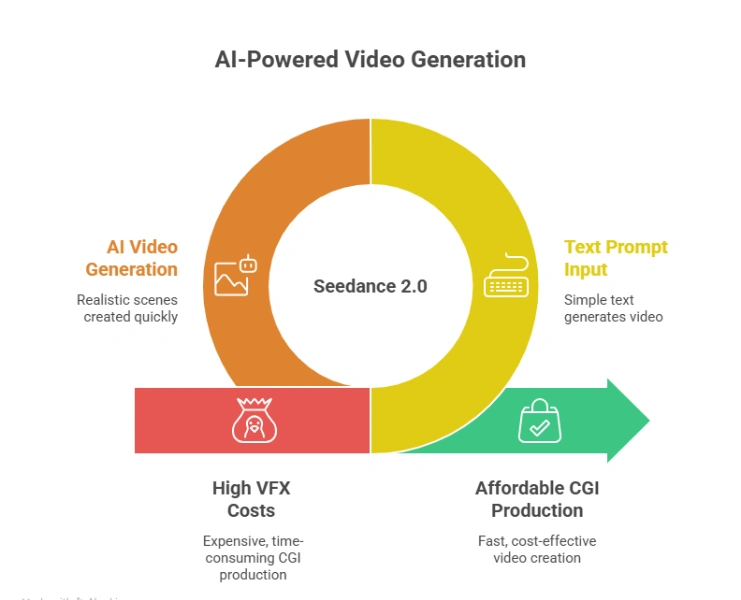
Seedance 2.0 has captured global attention after viral clips demonstrated its ability to produce blockbuster-level CGI from simple text prompts.
What once required massive VFX teams, months of production time, and millions of dollars in budget can now be generated in minutes for pennies on the dollar.
The platform's capabilities have sent shockwaves through the entertainment industry, with content creators and studios alike recognizing both the potential and the threat this technology represents.
ByteDance's latest AI model represents a quantum leap in video generation technology, capable of creating highly realistic scenes with complex lighting, camera movements, and special effects that rival professional studio output.
Users have shared impressive examples ranging from sci-fi battle sequences to photorealistic nature documentaries, all generated entirely through AI with minimal human intervention.
Also read about: Nano Banana AI for Video Overviews in NotebookLM
Legal Battle Intensifies as Studios Fight Back
Disney's cease-and-desist letter signals Hollywood's determination to protect its intellectual property and business model from AI disruption.
The entertainment giant argues that Seedance 2.0 may have been trained on copyrighted material without proper licensing, potentially including Disney's own extensive library of films and visual effects.
This legal action follows similar moves by other major studios and could set important precedents for how AI-generated content is regulated going forward.
Industry experts suggest this battle will ultimately require new legislation specifically addressing AI training data, output ownership, and the rights of original content creators.
The implications extend beyond Hollywood, affecting independent creators, marketing agencies, and anyone involved in video production.
As AI video generation becomes more accessible and sophisticated, questions about authenticity, copyright, and the future of creative professions have moved from theoretical discussions to urgent legal and economic realities that demand immediate resolution.
More News To Read: